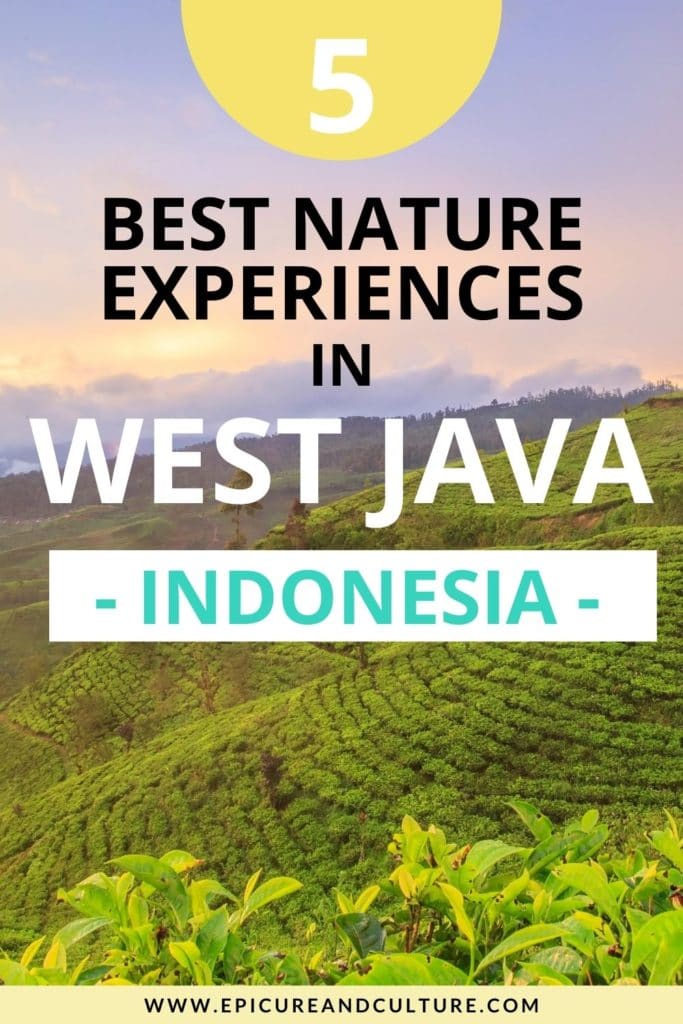
Many visitors who travel to Indonesia arrive in Jakarta and catch only glimpses of West Java in passing; however, it’s worth spending time here.
This is especially true for outdoor lovers who can soak in lush, volcanic scenery and wild beaches.
West Java (Jawa Barat) encompasses everything from the remote islands of the Ujung Kulon National Park, home of the endangered one-horned rhino, and extensive Pangandaran beaches in the east.
There are volcanic craters to visit, sunny spots to surf, jungles to hike, and botanical gardens perfect for picnics.
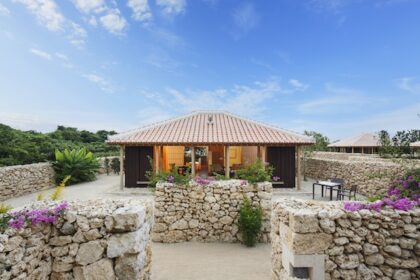
When you’re considering where to stay in Bandung and West Java, picturing the tranquility of nature with outdoor adventures at your fingertips, consider Kastuba Resort.
Located in Lembang, you’re close enough to Bandung to reach its attractions but far removed from city noise and traffic.
The villa is built on stilts, so you’ll stay above the trees, enjoying cool night breezes as you soak up mountain views and a glimpse of the city in the distance.
While there, make sure to check out the following experiences.
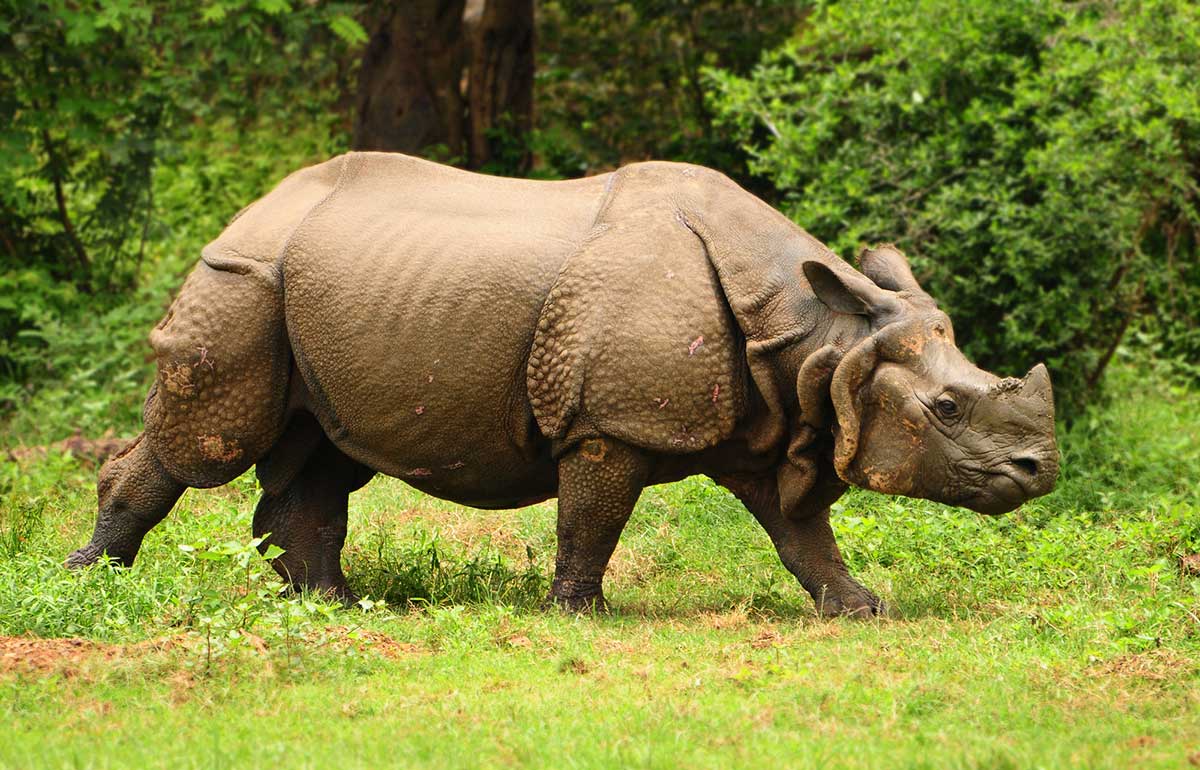
1) See A One-Horned Rhino In Ujung Kulon National Park
Ujung Kulon National Park at the westernmost tip of Java has earned UNESCO status for containing large areas of lowland rainforest and being one of the last refuges of the one-horned rhinoceros (rhinoceros sundaicus).
Known as the Javan Rhino, this critically endangered majestic animal is the icon of the national park and the Banten province. There have been a dozen or so rhino births within the last decades, so numbers are increasing.
Indonesia’s first proposed national park has a large assortment of flora and fauna and includes the volcanic island group of Krakatoa as well as smaller offshore islets such as Handeuleum and Peucang in the Sunda Strait.
2) Get Close To A Volcanic Crater In Bandung
Just 15.5 miles north of Bandung, you can peer at or hike into a large volcanic crater at Tangkuban Perahu. The crater’s unique shape, reminiscent of an upturned boat, makes it the subject of local legends.
Its eruptions have fertilized the valleys, while hardened lava created big cliffs that have turned into waterfalls.
Visitors can explore three craters: Kawah Ratu (“Queen Crater”), Kawah Domas (“Domas Crater”), and Kawah Upas (“Upas Crater”).
On a clear day, the Kawah Ratu crater has beautiful views of surrounding mountain ranges, tea plantations, and coastal plains. You can boil eggs in the hot geysers of the Domas Crater. Kawah Upas is the oldest crater on the mountain, but it is still active.
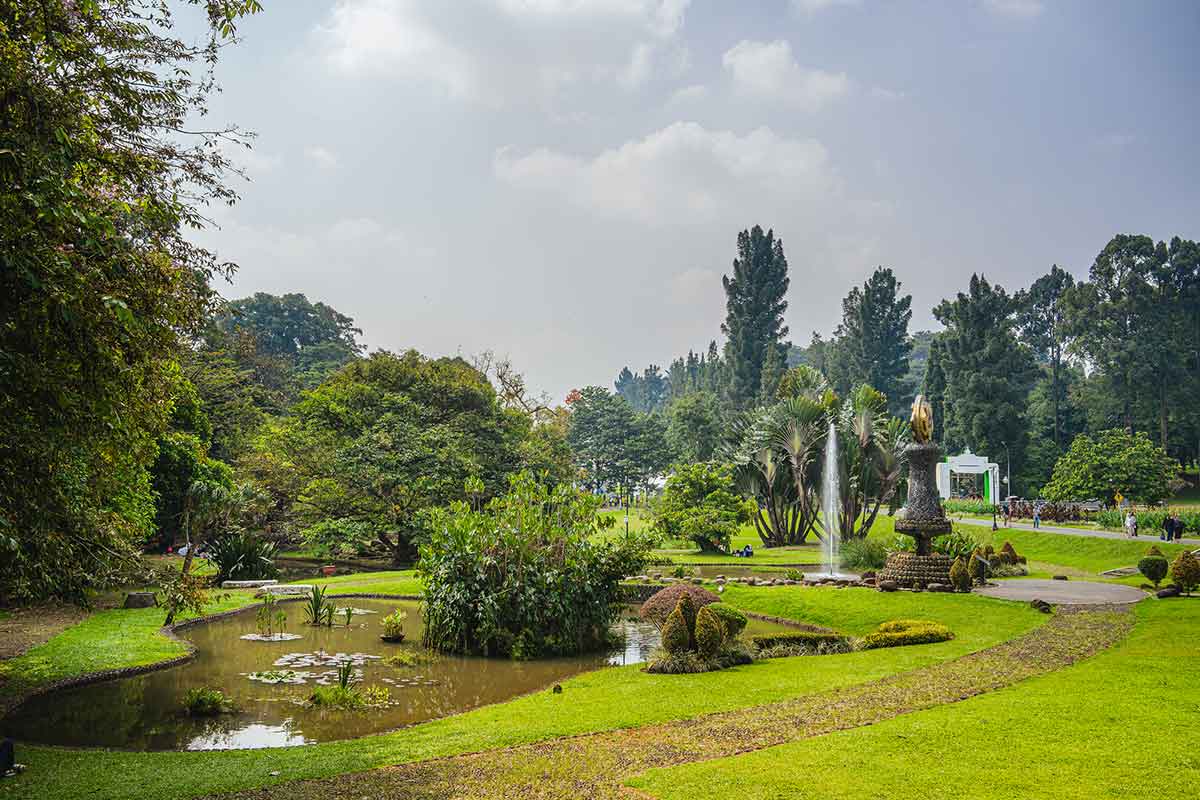
3) Picnic At Botanical Gardens In Bogor
The Bogor Botanical Gardens (Kebun Raya) offer a relaxing retreat in the city center of Bogor, right next to the presidential palace.
The garden’s 210 acres contain more than 15,000 different trees and plants of various origins, which can keep you busy all day. Dozens of birds and bats also call the garden home. It rains almost every day in Bogor, meaning the gardens are incredibly fertile for growing tropical plants.
Try to find the 131-foot-high footstool palm, native to Indonesia, amongst the garden’s 400 palm varieties.
Other highlights are the Orchid House and Mexican garden with huge agave plants used to make tequila and cacti. You may also find monitor lizards, exotic bird life and deer near the garden’s ponds.
If you don’t want to pack a picnic, the Grand Garden Café is a great place to grab lunch.
4) Meet The Fishermen Of Pangandaran Peninsula
While Pangandaran’s convenient location makes it popular with locals, this beach is largely off the radar of international tourists.
Located on the south coast of West Java, with beach resorts located about 137 miles from Bandung. The Pangandaran peninsula offers an amazing assortment of sites, from black and white sand beaches, family-friendly places to swim, and spectacular sunsets.
Traditionally, locals would meet fishermen on the shore to help them pull in the nets of their afternoon catch. This tradition continues today, so you can help with the nets or capture it on film.
Seafood lovers can find fresh fish, squids, crabs, prawns, and more at the restaurants and food on the eastern coast.
Pananjung beach, on the western end of the peninsula, is a family-friendly swim spot close to the Pangandaran National Park, where you can explore jungle flora and fauna. You may also encounter monkeys, deer, buffalo, and other exotic animals.

5) Surf At Cimaja Beach In Palabuhanratu
Surf-lovers in Jakarta often spend their weekends chasing waves around Palabuhanratu due to its convenient location.
The waves can be intense, so a better alternative is a few kilometers west. You can find more consistent surf hidden in Cimaja, a quiet fishing and rice-growing village.
The Cimaja break is created by a rocky reef and catches south and southwest swells from the Indian Ocean. Arriving at the surf spot involves a scenic yet short walk from the main road through beachfront sawah (rice paddies).
West Java Nature Tours
- Active Volcano, Rice Field, Hot Spring, Fruit market, Tea Plantation with Lunch
- Jakarta Bogor Botanical Garden, Waterfall & Rice Terrace with Lunch
- Private Guided Tour to the White Crater & Surrounding Areas
- Full Day Cultural Bogor Adventure with Waterfall & Rice Field
What’s your favorite West Java nature experience?