Upon first hearing the term “liming,” I thought it was describing a culinary term; however, in Trinidad & Tobago, liming is an actual activity.
Referring to the art of doing nothing while sharing food, drink, conversation and laughter, liming is an important part of the country’s island culture.
In fact, it’s not uncommon for locals to say something like “let’s go lime” to mean “let’s chill or hangout.”
The Cultural Significance Of Liming
Trinidad & Tobago is part of the Caribbean, and therefore has that laid-back vibe and carefree way of thinking present in many island cultures.
Here, however, they take doing nothing to another level. For hanging out to be considered liming the activity cannot have a larger purpose other than just hanging out.
Additionally, the activity is inherently social, requiring two or more people with the ability for others to join in at any time.
What’s interesting is that while many other cultures consider lounging around doing nothing as shameful or lazy, the activity is actually something locals take pride in in Trinidad.
Class and status play no part in this cultural facet, as everyone from the unemployed to the wealthy partake in liming. It is often described as the ultimate social leveler; in the “circle” of a lime, titles disappear and everyone is equal over a shared drink.
The Surprising History Of Liming
While the activity is timeless, the origin of the word “lime” is a bit of a local mystery with some very cool backstories.
According to the Dictionary of the English/Creole of Trinidad & Tobago, one of the most popular theories dates back to the 1940s.
During World War II, British and American sailors—often called “Limeys”—were known for hanging around local bars and street corners with nothing much to do. Eventually, locals started using the term to describe anyone hanging out in a similar fashion.
However, if you talk to an “old boy” from the prestigious Queen’s Royal College in Port of Spain, they might tell you a different story.
Local lore suggests students caught loitering would tell their teachers they were “liming”—referring to the actual chore of painting the base of tree trunks with white lime (limestone) to protect them. It was a clever excuse for doing nothing that eventually stuck!

The Art Of Ole Talk
You can’t have a proper lime without ole talk. This style of lighthearted conversation is so central to life in Trinidad and Tobago that researchers have actually studied it as a formal way of sharing knowledge.
According to a study in the International Journal of Qualitative Methods, ole talk is a uniquely Caribbean way of engaging that allows people to make sense of their lives and build deep relationships.
In the relaxed environment of a lime, this chatter serves as a social fuel where everyone’s voice is equal. It involves a constant stream of storytelling, debating, and “skylarking” (joking around) or “picong” (playful teasing).
It isn’t just idle gossip, but how information and culture are passed down in the islands.
Where To Lime
You can lime almost anywhere as long as your intentions don’t go further than just hanging out and being social.
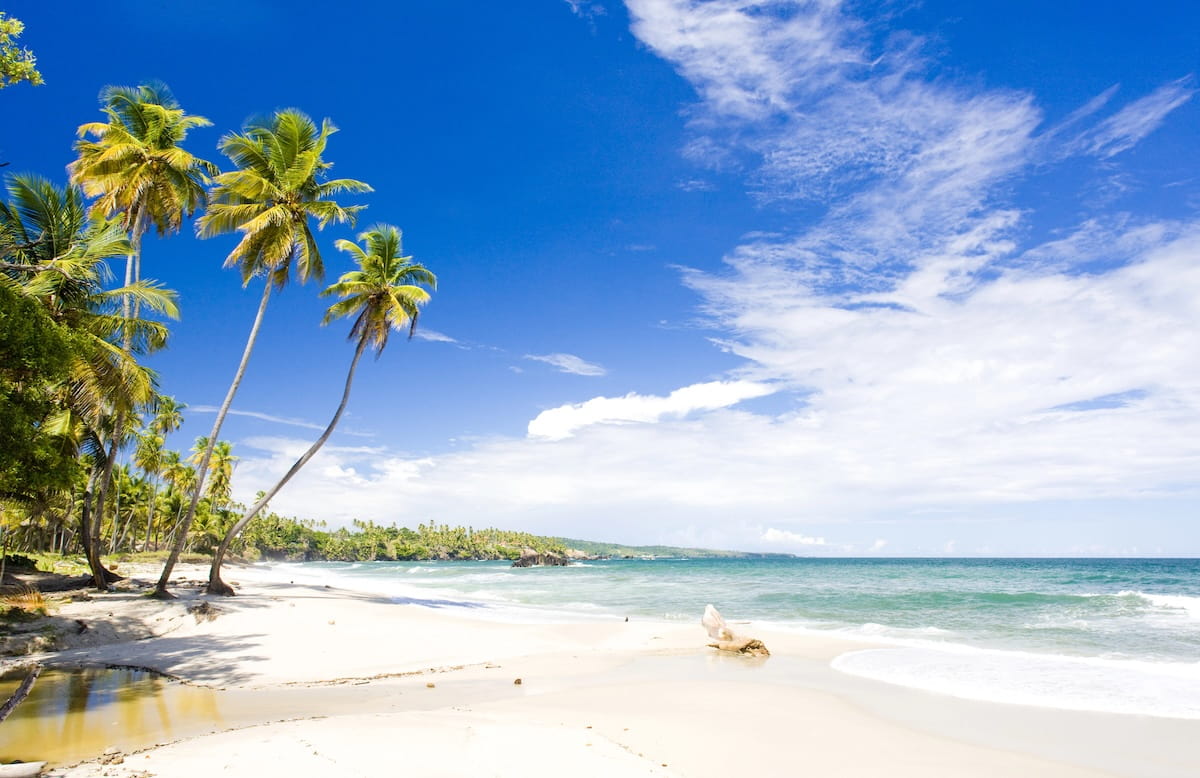
Popular spots to lime include rum shops, restaurants, street corners, parks and the beach.
For the most part, a lime is considered successful if it includes lots of drinks and leads to a party or something larger later on—so if you’re invited to lime make sure to bring some rum!
Different Types Of Liming
Depending on where you are and what you’re doing, you might find yourself in a few different scenarios:
- The River Lime. This is a classic. Groups head to a river to cook a one-pot meal—usually a seasoned rice dish called pelau—over an open fire while relaxing in the water.
- The Roadside or Shop Lime. This is the most spontaneous version. You’ll see people gathered outside a rum shop or on a street corner, usually with music playing.
- The Big Lime. Often centered around a major event like Carnival or a public holiday, these can turn into massive street parties with sound systems and lots of food.