Wondering what food in Istria is really like and where to have the best of it?
Then you’re in the right place!
Istrian cuisine combines the best of Italy and the Balkans, then douses everything in world-class olive oil.
In short, Istria isn’t merely beautiful—it’s downright delicious, and understanding why it tastes the way it does will make everything on your plate even better.
I live on the Slovene side of Istria, a breezy 20-minute hop from Croatia. I’m over there often, chasing truffles, fuži, and fresh seafood.
Years of zig-zagging the Istrian Peninsula have filled my stomach with plates from Michelin-star chefs, mom-run konobas, and back-road farm stays locals would rather I kept quiet about (but I’ll share anyway!).
🥘 Pro tip: To truly immerse yourself in Istrian culinary culture, opt for a guided food or wine tour—like a Best of Istria Wine Tour or a Truffle Hunt with 3-Course Brunch.
Understanding Istrian Food Culture
The Istrian Peninsula in northwest Croatia sits between Slovenia, Italy, the Gulf of Trieste, and Kvarner Bay.
Roman Pula, colorful Rovinj, and seaside Poreč line the coast, while hill towns like Motovun and Grožnjan watch over truffle forests inland. Oak-covered hills roll into the Adriatic, so today’s meal can be woodland mushrooms followed by raw scampi.
Istria’s menus are written by its history and geography. Centuries of Venetian rule introduced pasta and espresso etiquette, while Croatian and Slovene grandmothers perfected the stews and sausages.
The result is food that feels both refined and rustic, often in the same bite.

White truffle
The Motovun Forest hides one of the world’s richest deposits of white truffles. From September through January, trained dogs haul out knobbly nuggets whose earthy scent fills the room the moment they’re shaved. The rest of the year, black truffle varieties take over, finding their way into everything from omelettes to ice cream.
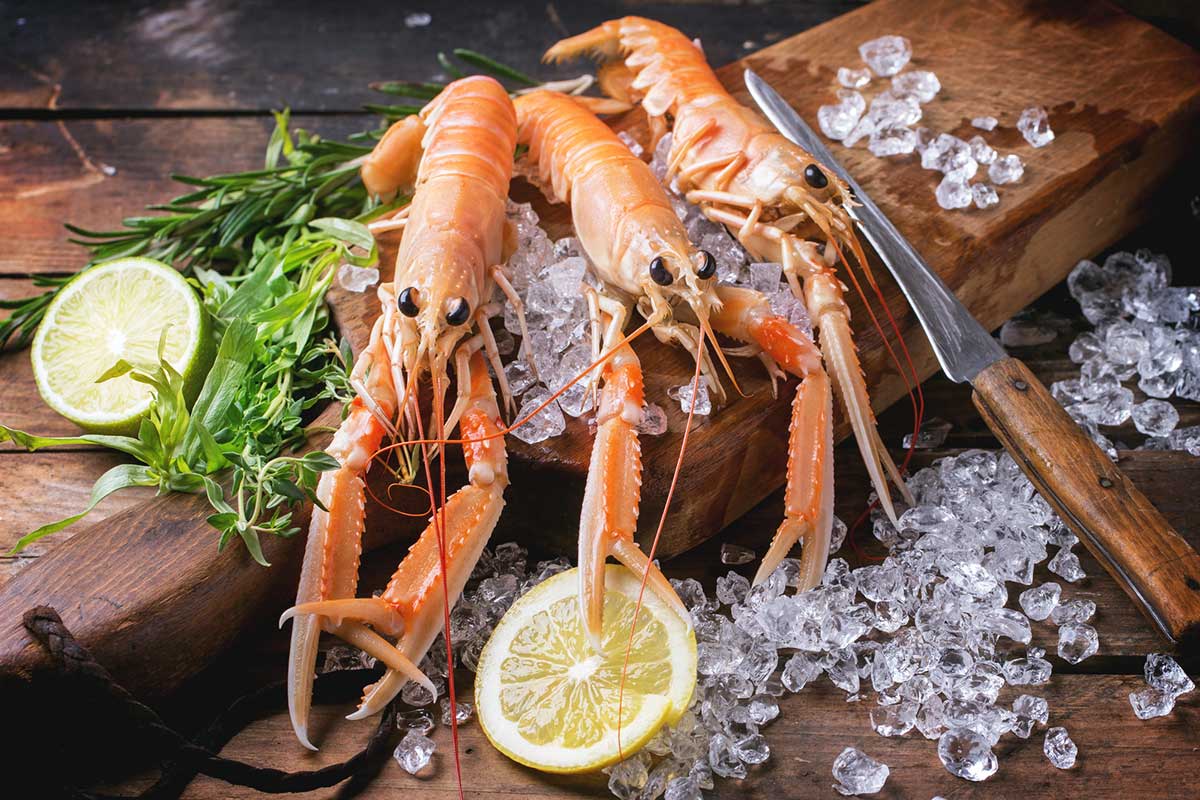
Langoustines
Drive 20 minutes west and you swap mossy undergrowth for Kvarner Bay, where langoustines are so delicately sweet, locals say they carry a hint of vanilla—especially when simply boiled and finished with olive oil.
Olive oil
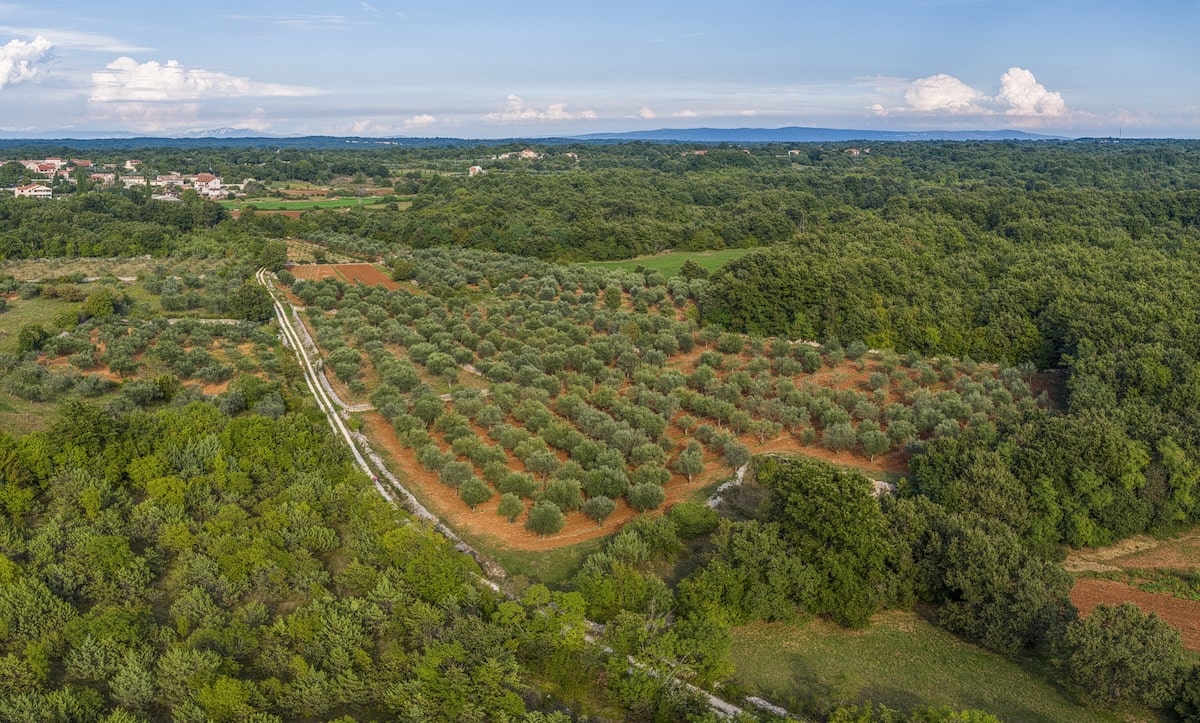
Speaking of olive oil, Istria’s liquid gold keeps winning “world’s best” ribbons for good reason. The peninsula’s mix of red terra rossa soil, constant salt-tinged breezes, and obsessive small-batch producers delivers a grassy, peppery oil you’ll want to sip neat.
Wine
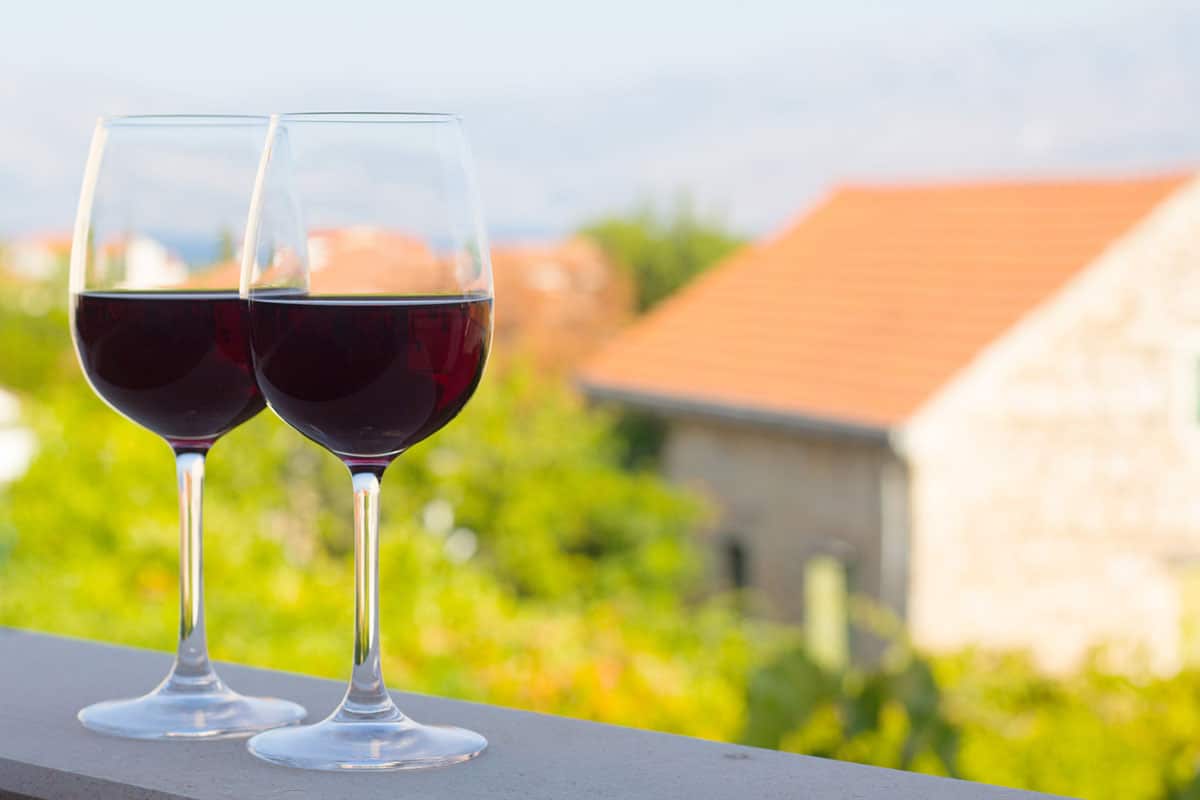
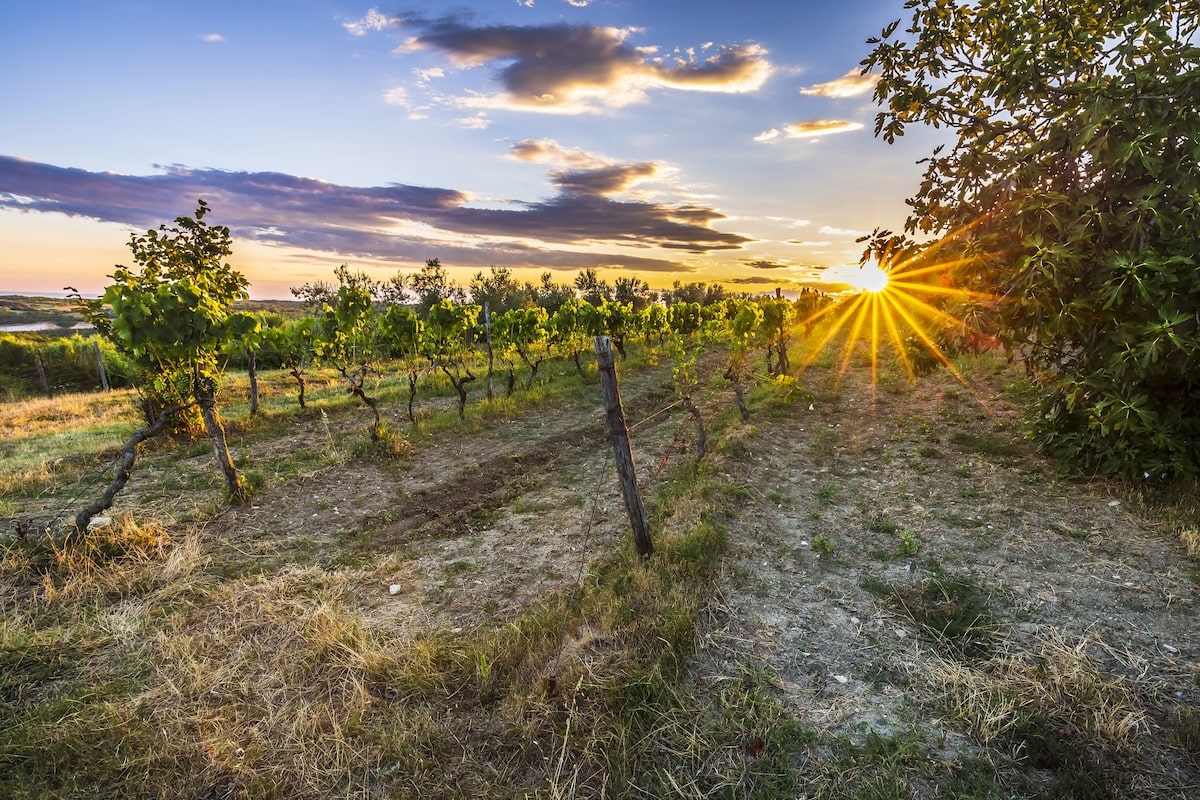
Vineyards sit right beside the groves, dominated by two grapes: crisp, stone-fruit-driven Malvasia that pairs with every sea creature imaginable, and iron-tinged, high-acid Refošk that stands up to cured ham or a slow-braised boškarin beef.
Boškarin
The boškarin is an endemic long-horned ox—once on the brink of extinction—that now headlines tasting menus from rustic farm tables to Rovinj’s Michelin-starred dining rooms.
Pork
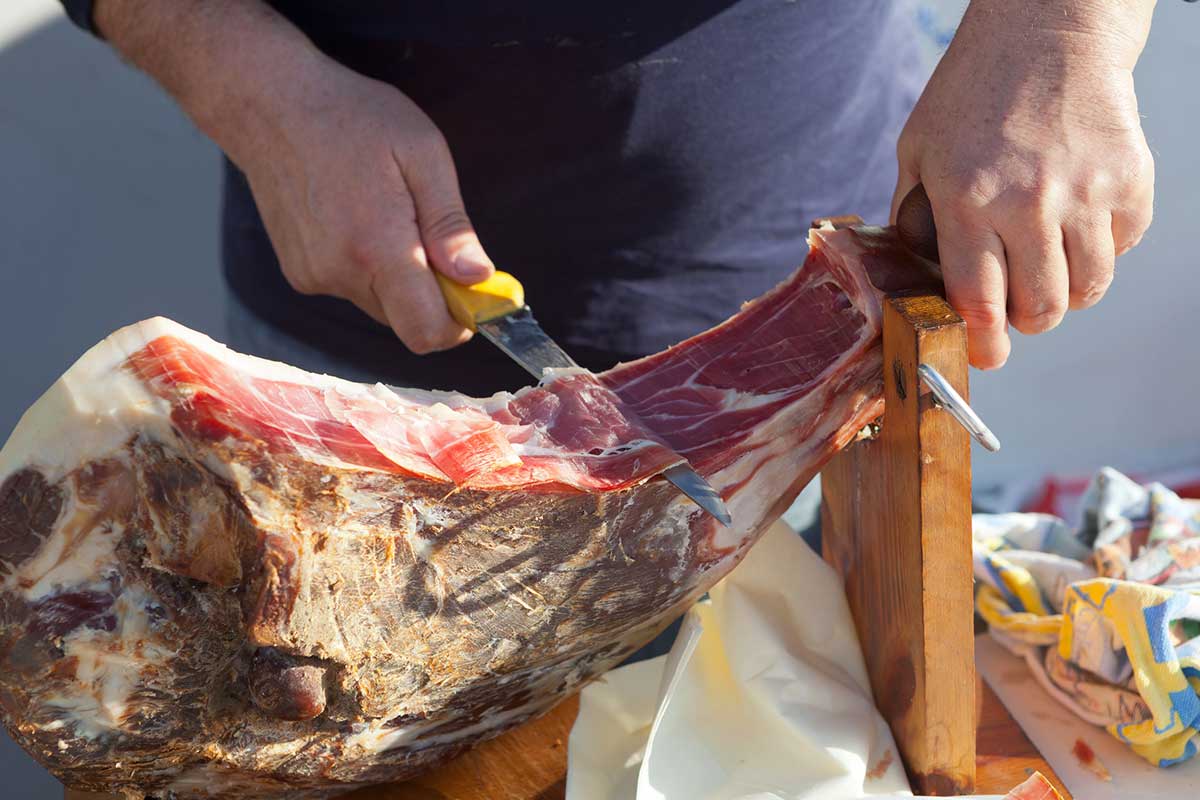
Pork rules the inland smokehouses; pršut hangs for up to eighteen months in the cold Bora wind, emerging sweeter and less salty than their Dalmatian cousins. While on the coast, fishermen still cook buzara, a garlic-tomato-wine-scampi broth that will make you lick your fingers.
Agrotourism
All of this abundance fuels a zero-kilometer mindset. “Agroturizam” farm stays plant, pick, cure, press, and pour almost everything you’re served. Menus shift with the seasons: wild asparagus in early spring, sweet sardines come June, truffle-showered everything in autumn, and rib-sticking maneštra bean soup the moment the Bora starts whistling through the narrow streets.
In Istria, food is foraged, fermented, or aged within arm’s reach of your table. Know that, and phrases like “let’s grab a bite” suddenly sound tragically under-ambitious.
Here, even a so-called quick lunch stretches into a two-hour affair with a carafe of house wine. And anything faster would be missing the point.
Must try Istrian dishes
Now that you’ve got a bit of background, let’s go over the highlights of Istrian cuisine—so you know exactly what to order.
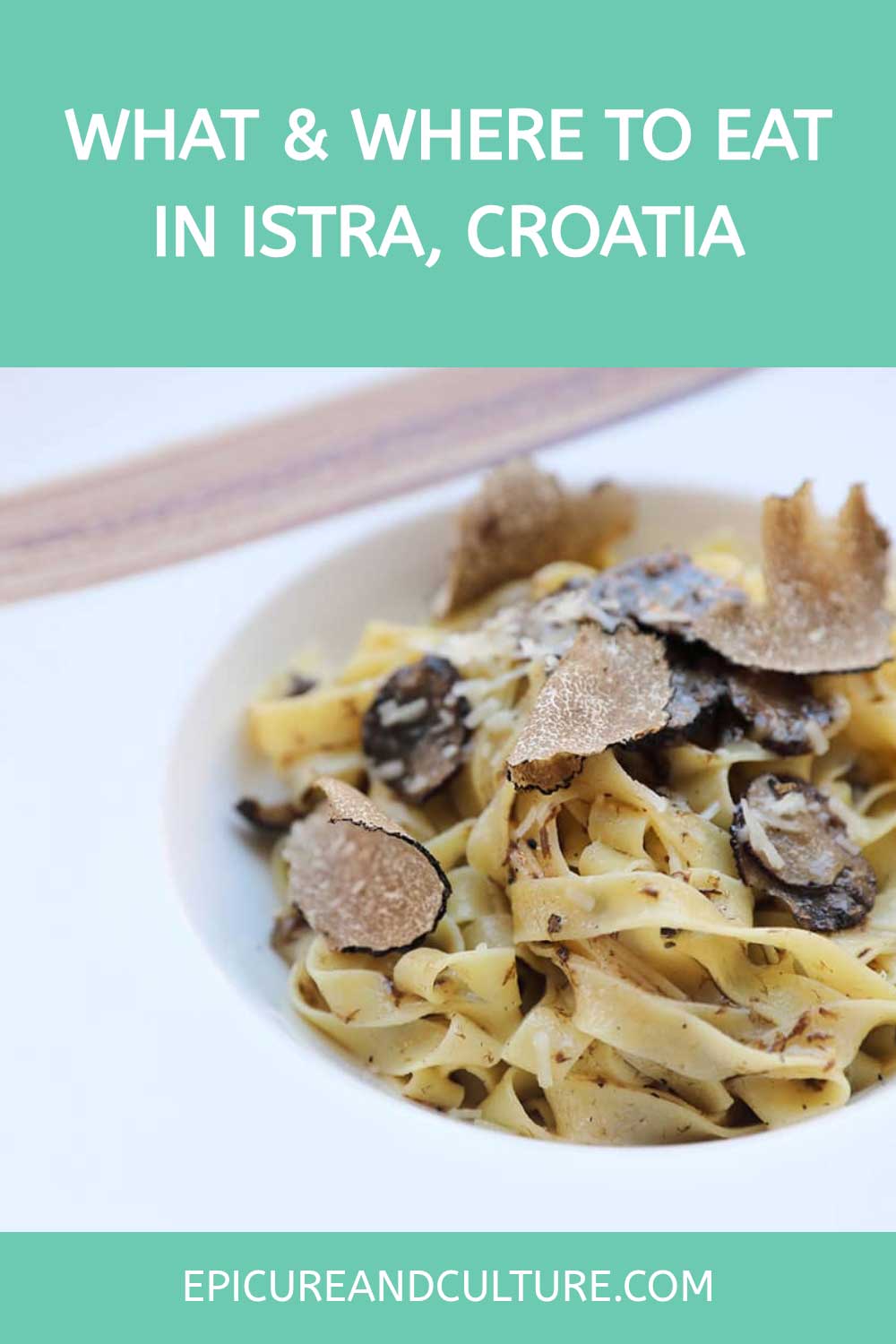
Fuži s tartufima
🍽️ Hand-rolled pasta with truffles
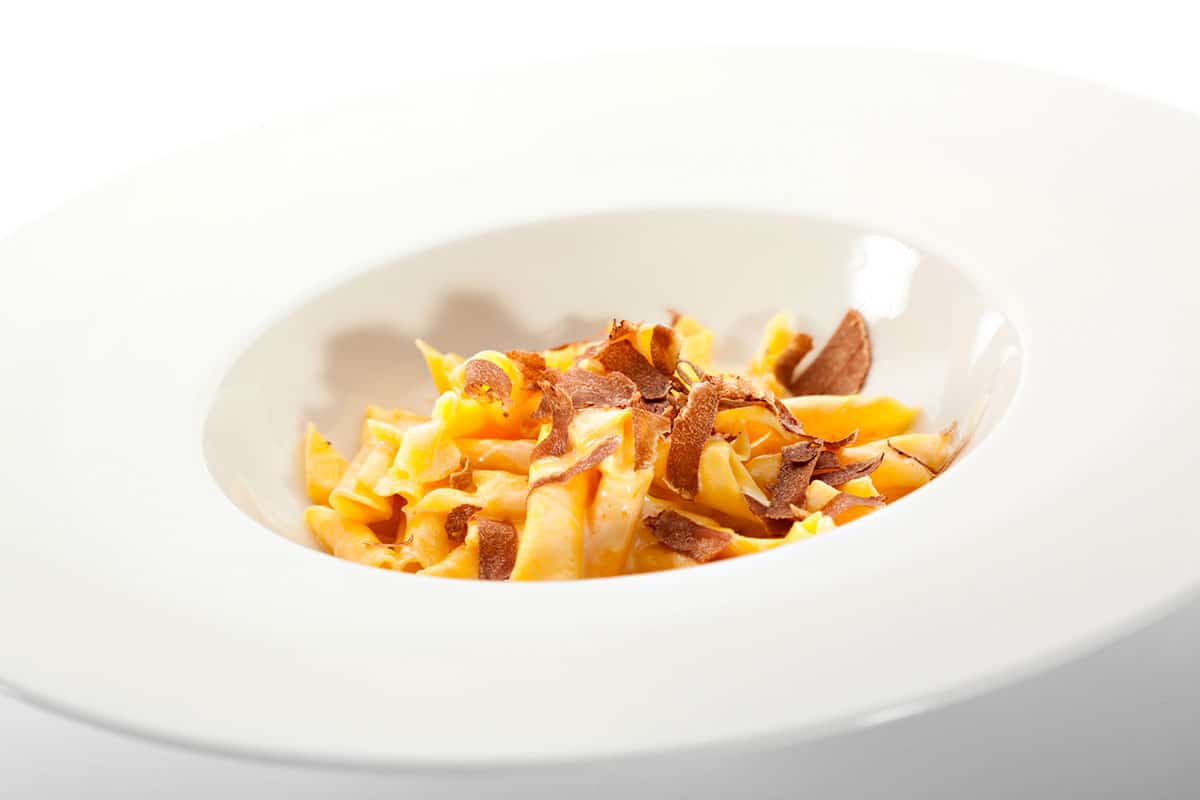
Picture hand-rolled quills of egg pasta slicked in sunshine-yellow butter, topped with truffle shavings so aromatic the whole room smells like damp woodland.
Fuži started as a Sunday staple in Venetian-ruled villages, where diamond-shaped dough was wrapped around knitting needles and dried by the hearth.
Today, it’s truffle royalty: white Tuber magnatum in autumn, black melanosporum the rest of the year.
The sauce is simple—just butter, Parmigiano, and maybe a splash of local cream—so the truffle’s earthy perfume takes center stage. One forkful and you’ll understand why fresh shavings cost more than your ferry ticket.
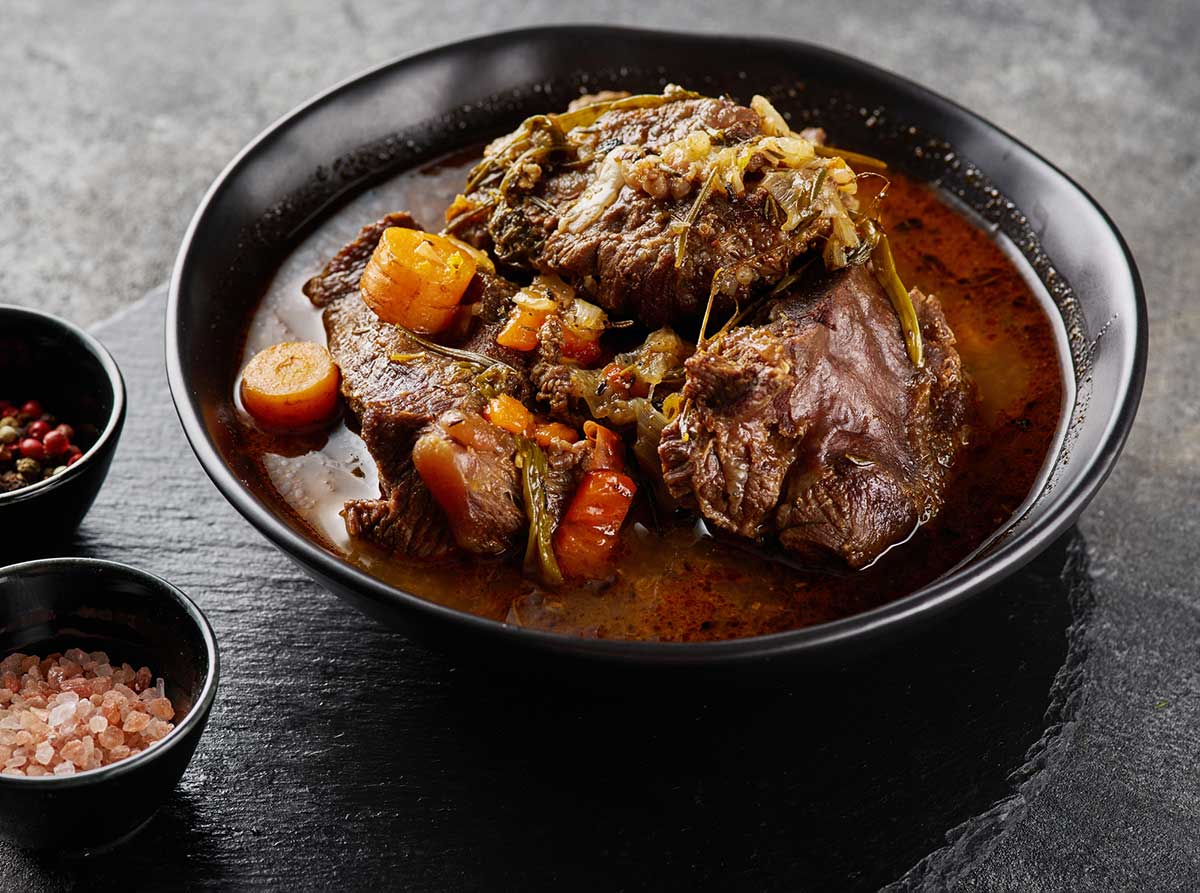
Boškarin cheeks braised in Teran
🍽️ Ox cheeks in Teran wine
The blue-grey Istrian ox nearly vanished in the ’90s, but a rescue program turned its melt-in-your-mouth meat into a local legend.
Cheeks are slow-braised in clay pots with onions, wild thyme, and a half-bottle of local Teran until the fibers surrender at the nudge of a spoon.
The sauce turns brick-red and tastes faintly of iron for something rich, rustic, and unforgettable.
Scampi alla buzara
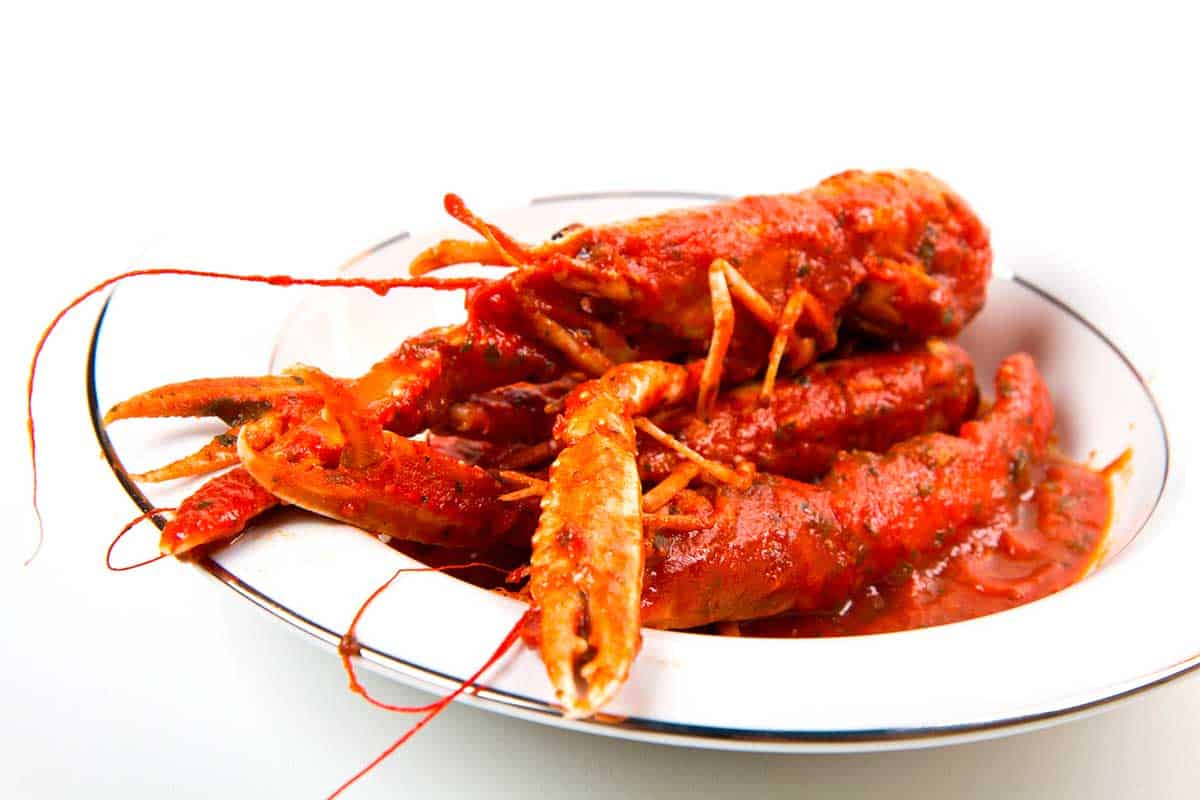
🍽️ Langoustines in garlic-wine sauce
Kvarner Bay langoustines are so sweet that locals say they taste of vanilla when boiled naked and drizzled with olive oil.
But the classic prep is buzara: scampi sautéed in olive oil, garlic, parsley, tomato paste, and white wine until the shells blush coral and the sauce thickens to bread-dipping perfection.
Expect messy fingers, high shell piles, and the urge to lick your plate clean.
Bobići maneštra
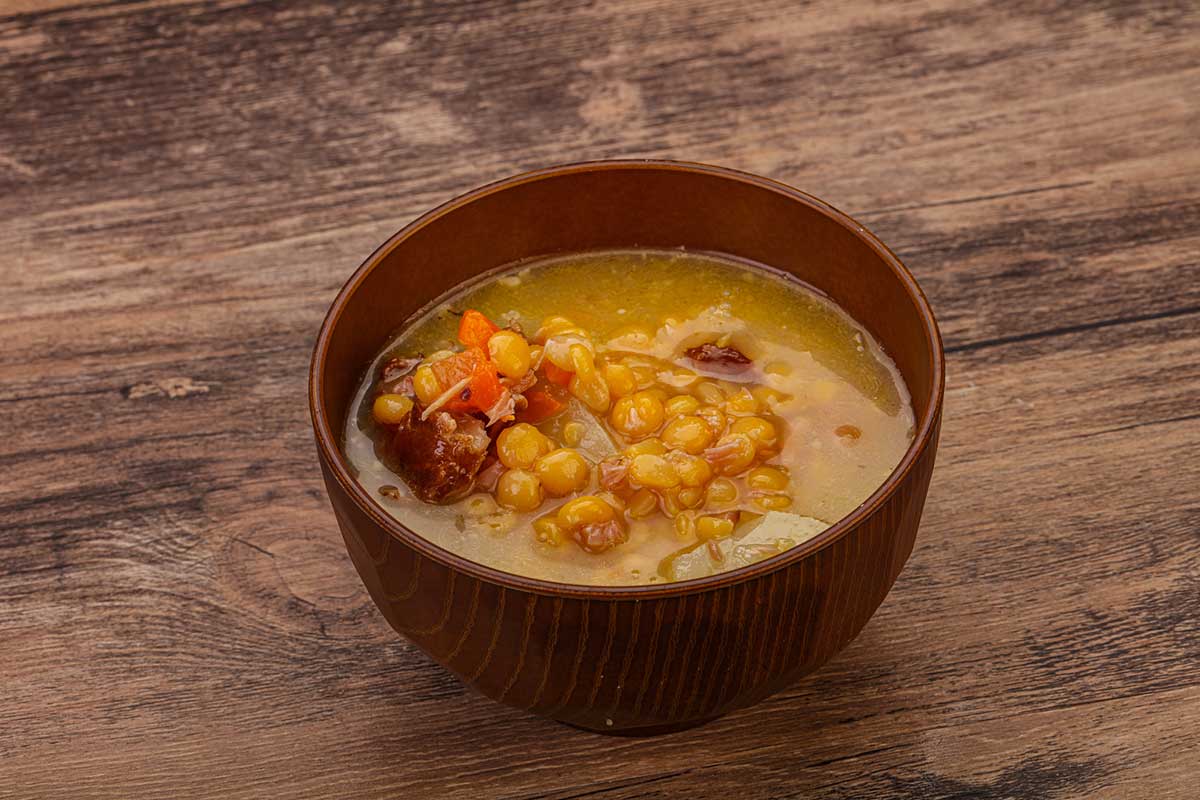
🍽️ Bean and corn stew
This is Istria’s answer to minestrone: butter beans, new-season corn (bobići), potatoes, and a prosciutto bone simmered until the broth turns creamy—no dairy needed.
Every nonna tweaks it differently: wild fennel here, a spoonful of paprika there. Born as a way to stretch pantry odds-and-ends, maneštra is now comfort food you’ll see everywhere once the Bora wind picks up.
Expect a thick, spoon-standing stew that tastes like autumn in a bowl.
Istarska supa
🍽️ Istrian soup
Part drink, part meal, warm Teran wine is poured into a wide clay jug called a bukaleta, then seasoned with olive oil, coarse pepper, and enough sugar to raise eyebrows.
Chunks of fire-toasted bread float on top. Pass the jug and slurp straight from the spout.
What began as a way to warm up vineyard workers on cold nights is now a favorite in agritourism kitchens—deep, boozy, and rich with olive oil.
Istrian pršut & aged sheep cheese
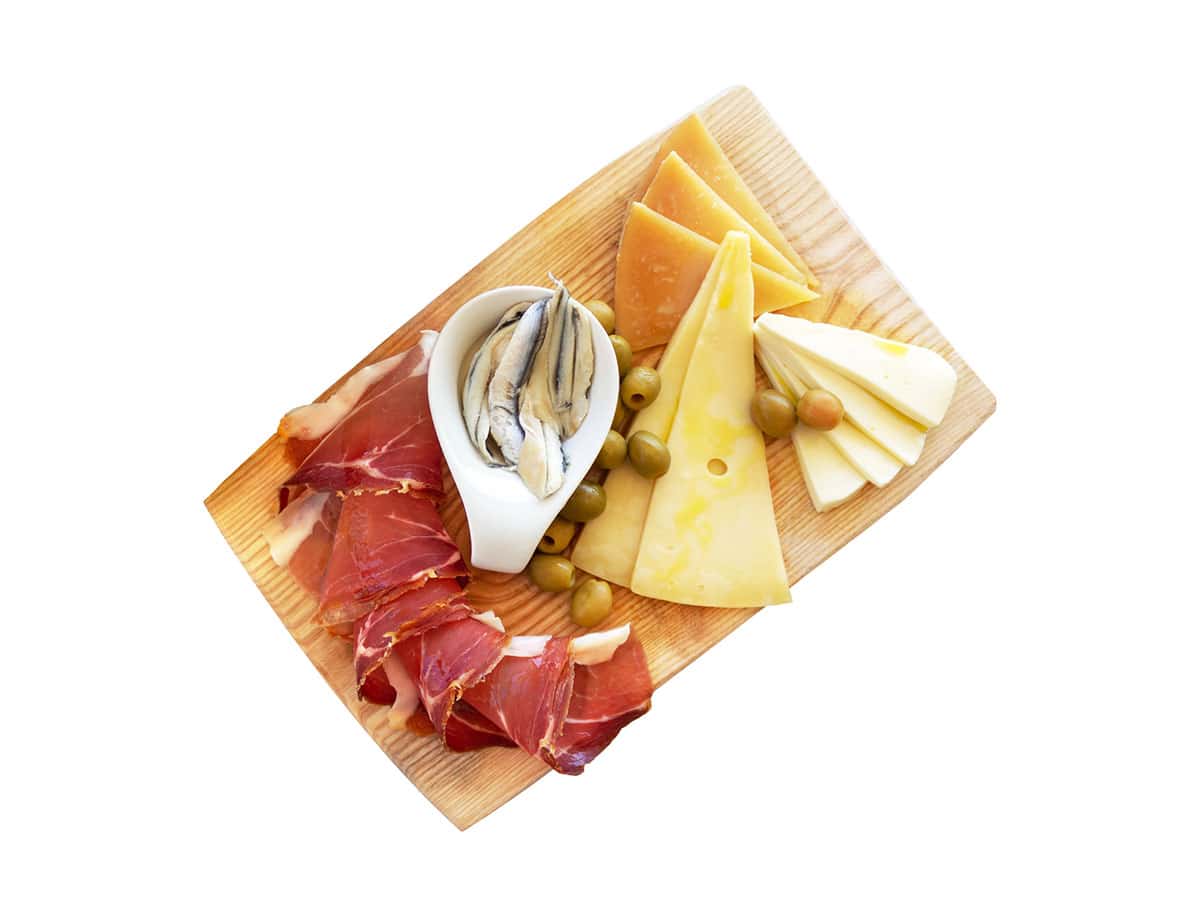
🍽️ Istrian prosciutto & sheep cheese
Forget the salt-bomb of Dalmatian ham; Istrian pršut cures for up to 18 months in the dry Bora wind without a single grain of salt rubbed in.
The result is mahogany slices that lean sweet and nutty, best paired with sharp sheep cheese from the karst plateau.
This plate is Istria’s handshake: it turns up at weddings, funerals, and every rakija-fuelled pit-stop in between.
Expect a silky texture, a hint of wild rosemary from the smoking logs, and the realization that calling it “just ham” should be a crime.
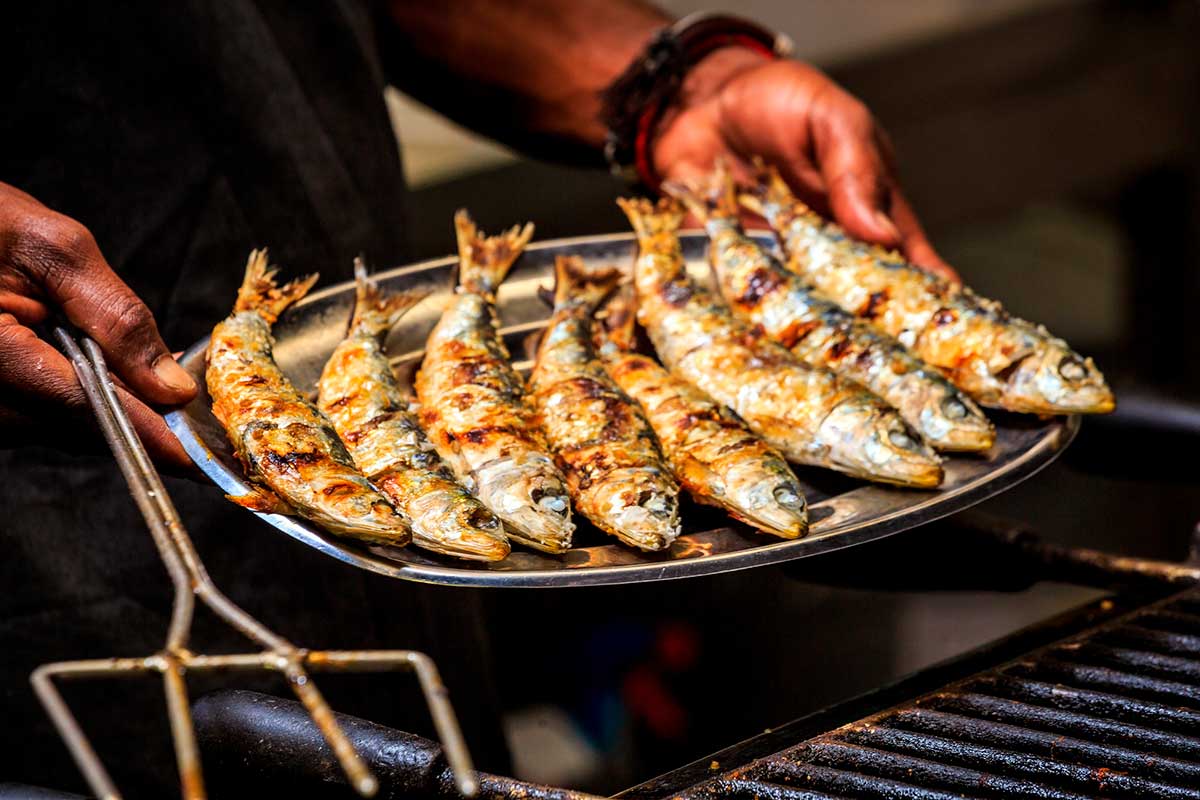
Sardele na gradele
🍽️ Grilled Sardines
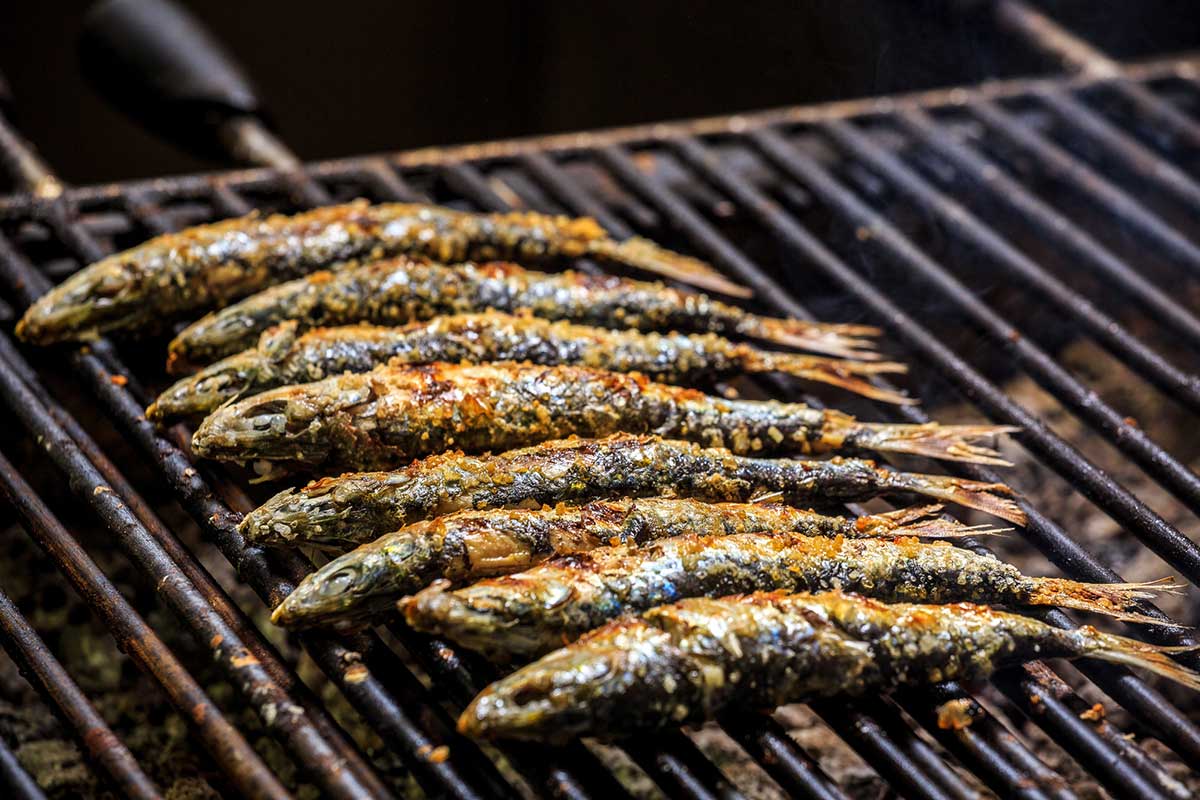
Walk the seafront in Fažana after sunset and the air turns thick with charcoal and brine: that’s the cue for whole Adriatic sardines, salted for an hour, then slapped skin-side down onto a blazing grate.
The blast of heat fuses salt to silver skin, the fat crackles, and in three minutes you’ve got fish that tastes like anchovy-flavoured butter—with a whisper of smoke for good measure.
Sardines were once “poor-man’s protein”; today they’re a point of pride, celebrated each June at the Fažana Sardine Festival.
Expect to eat them with your fingers, drenching each bite in grassy olive oil and ignoring the cutlery entirely.
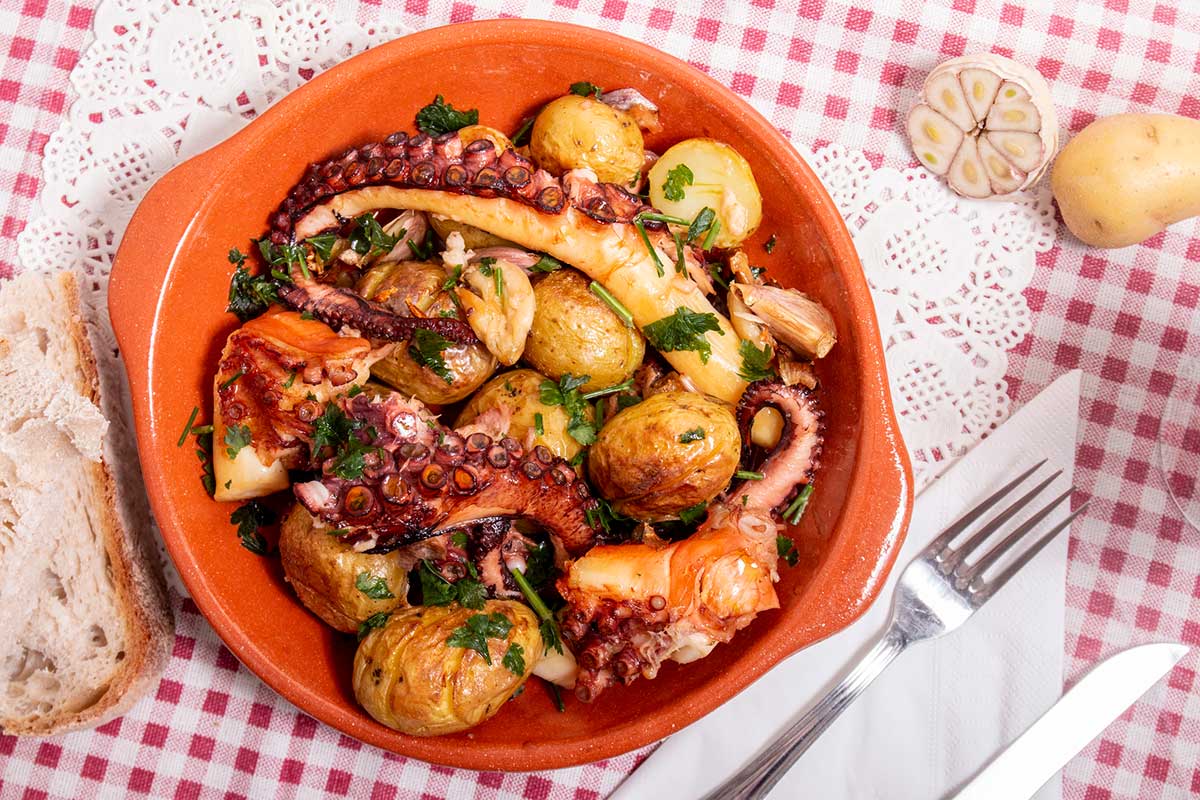
Hobotnica ispod peke
🍽️ Octopus Under the Bell
Croatian Peka isn’t an ingredient but a cooking method famous all over Croatia. A cast-iron dome (bell) is heated up by wood-fire embers piled on top and slow heat below.
Slide a two-kilo octopus into the bell with potatoes, onions, tomato, white wine, and a fistful of bay leaves, seal the lid, and forget it for 90 minutes (or even a couple of hours).
The result is shockingly tender tentacles stained brick-red by their own juices, potatoes caramelized on the edges, and a sauce so concentrated you could spread it on bread.
Villagers swear by cooking octopus on the day of the full moon, claiming the flesh relaxes. Superstition or not, you’ll taste zero chew and pure sea sweetness.
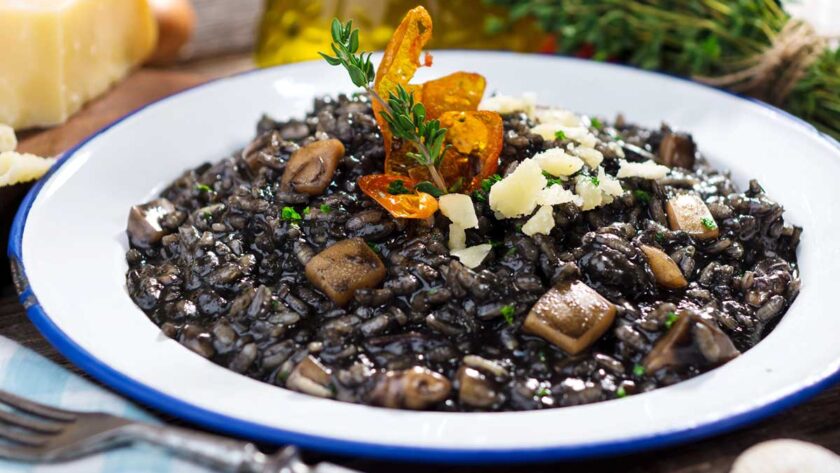
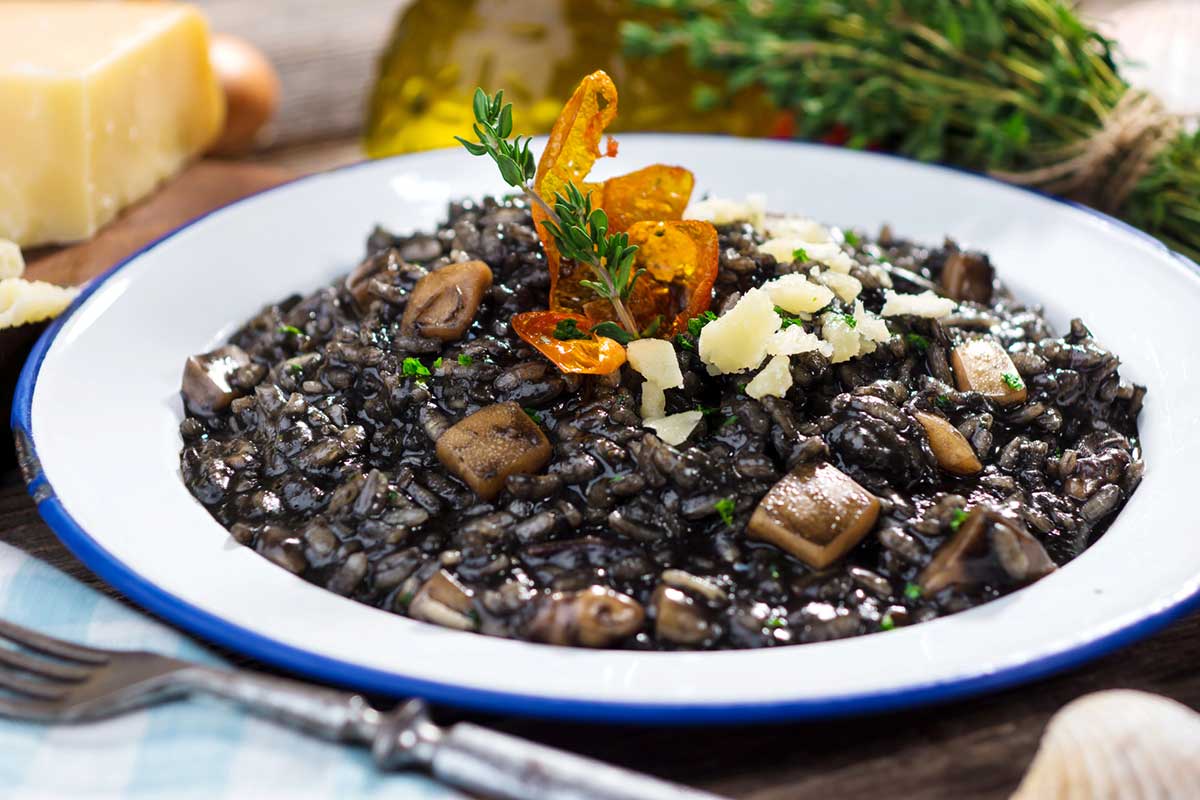
Crni rižot od sipe
🍽️ Cuttlefish-Ink Risotto
This jet-black risotto looks like midnight in a bowl. The dish was born on fishing boats where the ink masked the fact that yesterday’s rice and today’s catch were reheated together.
Well, that’s not the case today.
Cuttlefish get cleaned seaside so the ink stays intact. The ink dyes the rice and lends a faint iodine tang. Add garlic, parsley, and local Malvasia, and finish with butter and aged sheep cheese for a creamy risotto.
Expect briny depth, al dente bite, and a teeth-staining grin you’ll be scrubbing off hours later.
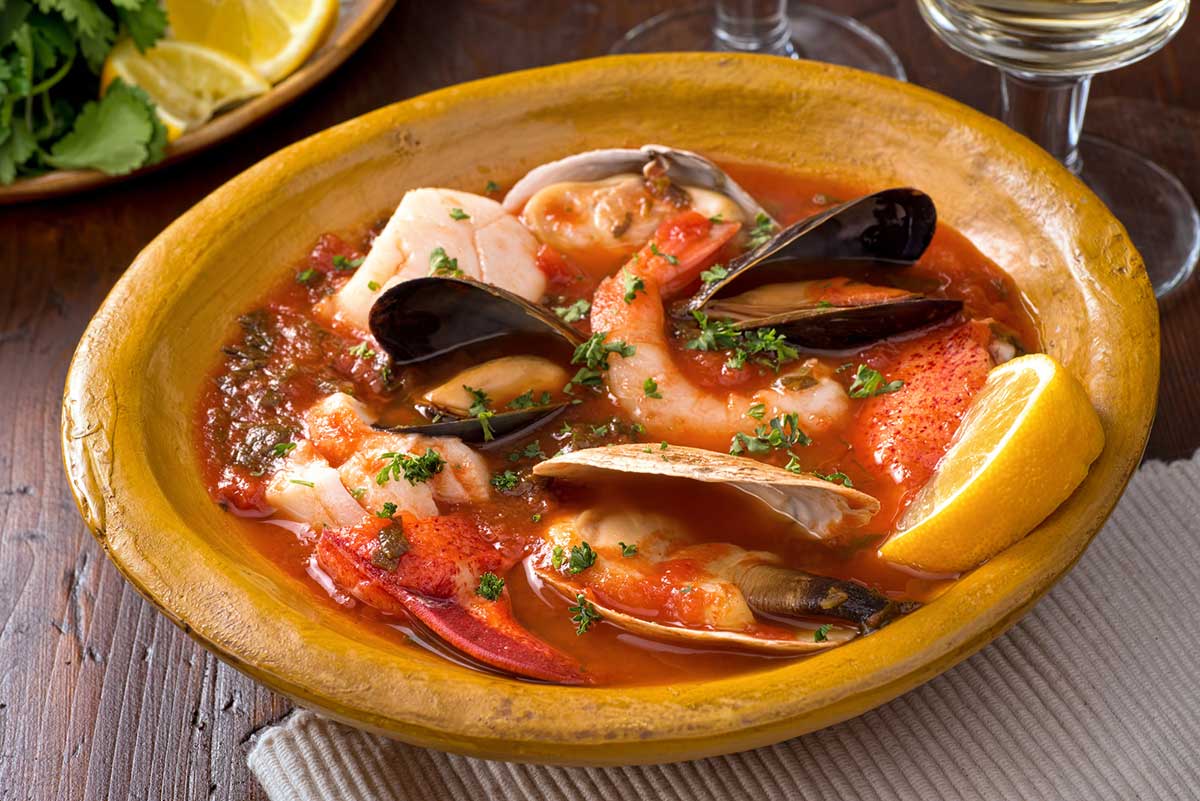
Brodetto
🍽️ Istrian fish stew
Brodet is Adriatic fisherman pragmatism: toss whatever didn’t sell into a pot with onions, vinegar, wine, and a dab of tomato for color, then simmer until the flavors marry.
The Istrian twist is a splash of red wine at the end, giving the broth a rusty hue and a gentle tannic kick.
Legend says the stew should never be stirred, only shaken, to keep the fish whole. Break that rule and you risk grandma-level scolding.
Žgvacet od kokoši
🍽️ Chicken ragout
Long before Sunday roasts, inland households relied on a single tough barn hen to feed a crowd.
They hacked it into pieces, browned it hard, then braised it with onions, garlic, rosemary, white wine, and a ladle of garden tomatoes until the meat fell off the bone.
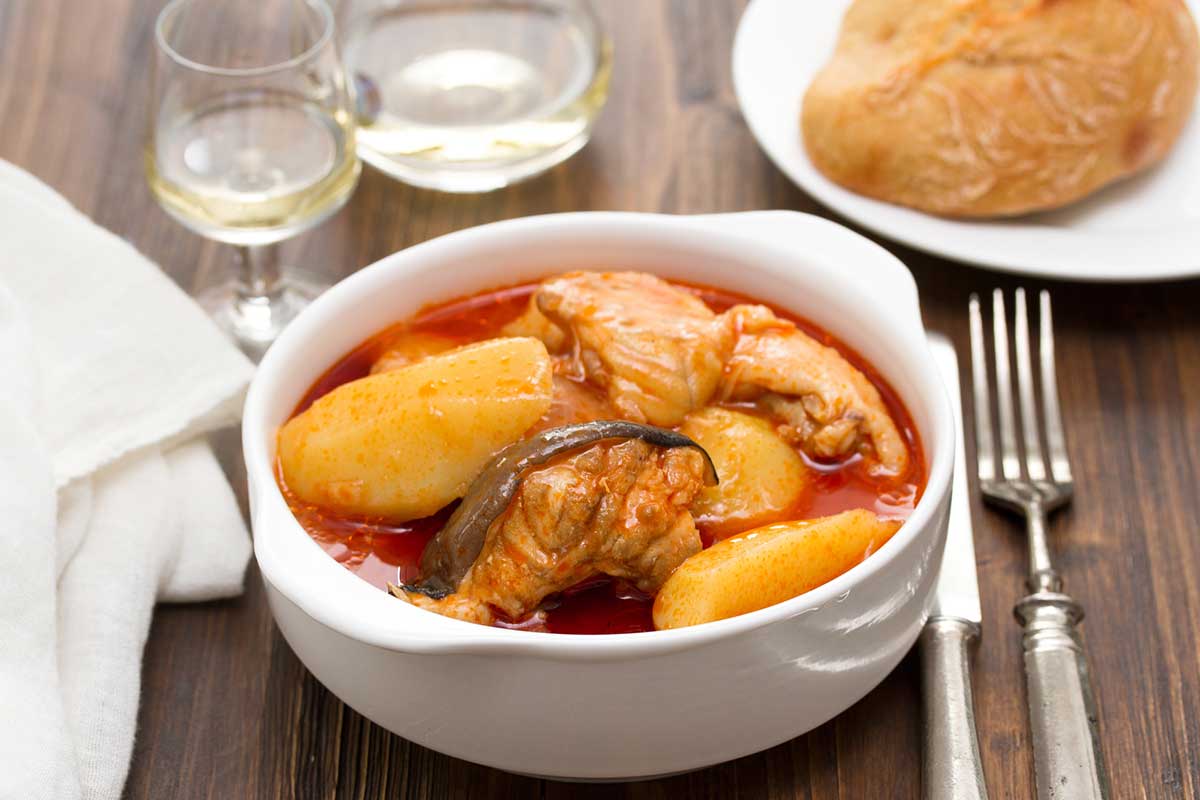
That is žgvacet: a scarlet ragout served over fuži or polenta, tasting like the Balkan cousin of an Italian cacciatore.
Fritaja sa divljim šparogama
🍽️ Wild asparagus omelette
Wild asparagus is skinny, bitter, and foraged only in April. The season is short, but the dish is like nothing you’ve ever tried.
The omelette cooks just long enough to set, staying creamy in the middle, and arrives at the table showered with aged cheese.
Locals claim the first fritaja of spring “wakes the blood” after a heavy winter diet. Expect a grassy snap from the spears and a reminder that simplicity, when ingredients are this fresh, feels like luxury.

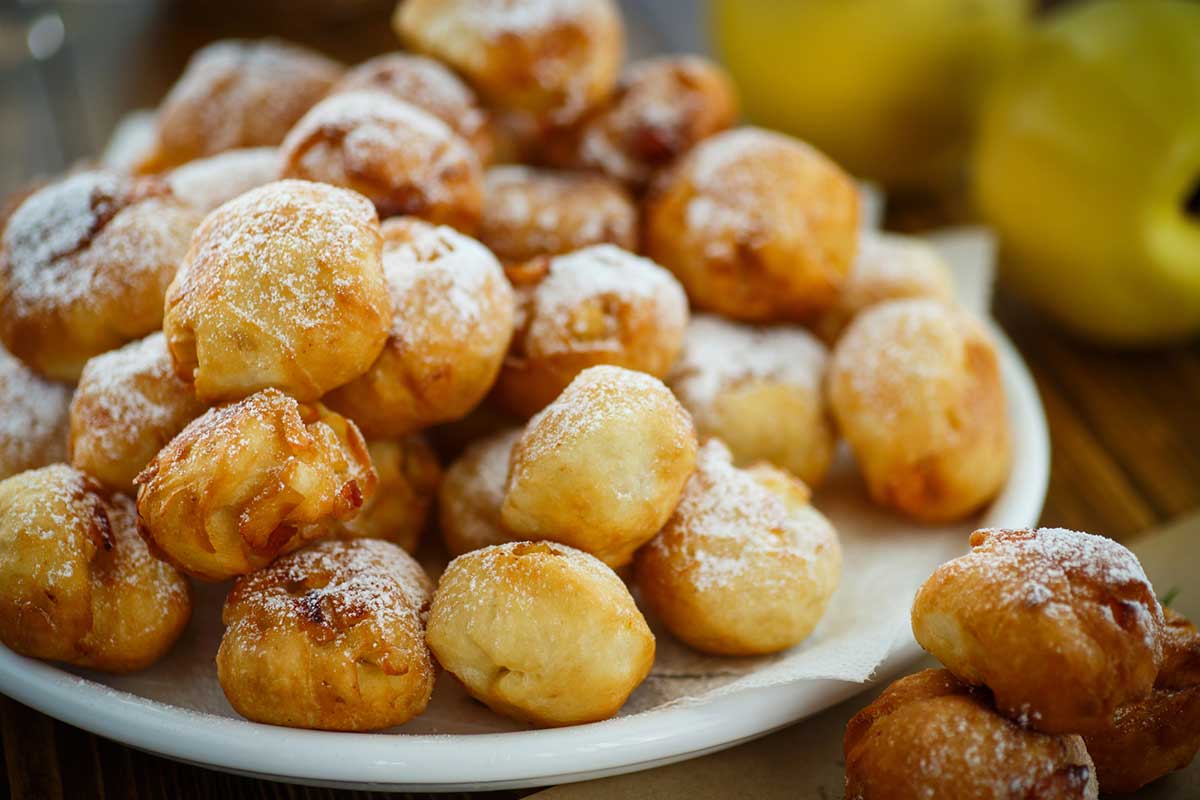
Fritule
🍽️ Mini doughnut fritters
These walnut-sized doughnut balls rolled in citrus sugar show up the moment Christmas lights flicker on and vanish after Carnival.
Venetian merchants brought the recipe while Istrian cooks added rakija to keep them fluffy and a grating of orange zest for perfume.
Fresh fritule are scorching on the outside, pillowy within, and dangerously addictive. Most market stalls sell by weight because nobody stops at three.
Expect to burn your fingers, dust your coat in sugar, and still go back for more.
Best Restaurants For Traditional Food In Istria
Now that you know what to order in Istria, let’s talk about where to order it. Below are the places I recommend over and over when someone asks, “Where do I taste real Istria?”
They range from white-tablecloth temples to agritourism farmhouses, but they all cook with local produce, pour local wine, and understand that olive oil is a food group.
La Grisa (Bale)
La Grisa is my go-to in the stone-quiet town of Bale. The kitchen inside this boutique hotel takes the flavors you meet in a village konoba and plates them with just enough finesse to keep the Instagram crowd happy.
Ask for the courtyard table, start with their house-cured pršut, and finish with whatever seasonal dessert is on. During my last visit, it was fig semifreddo drizzled in fluorescent-green new-press oil.
Prices are mid-range, service is impeccable, and the wine list shows serious love for Bale’s own Collis and San Tommaso cellars.
Trattoria Vodnjanka (Pula)
Locals come to Trattoria Vodnjaka for two things: pršut cut thick, and nonna-style pasta pljukanci drowned in meaty žgvacet.
The décor is homey red-checked tablecloths and family photos. Also, prices haven’t caught up with its fame yet, so lunch here remains a steal.
Restaurant Monte (Rovinj)
Monte, Istria’s first Michelin-starred restaurant, proves “fine dining” and “local” aren’t mutually exclusive. Pick between three seasonal tasting menus: Red (lobster), Green (vegetable), or Blue (fish).
Here, the plating is theatrical, but underneath the foam and smoke sits grandma’s pantry and the farmers you’ll meet at Rovinj’s morning market.
Konoba Batelina (Banjole)
Run by the Skoko fishing family, Batelina still writes its menu only when the day’s catch comes off the boat. Expect cured shark belly, tuna offal pâté, and whatever Adriatic oddities most restaurants can’t be bothered to prep.
At Batelina, nothing is wasted and everything tastes of the sea. Reserve well ahead and bring cash.
Konoba Toklarija (Sovinjak)
Hidden in an old olive-mill hamlet, Toklarija seats 14 and serves six courses built around whatever Chef Nevio spends the morning foraging or bartering from neighbors.
There’s no menu, no rush, and just one sitting per night, so book well in advance.
Zigante (Livade)
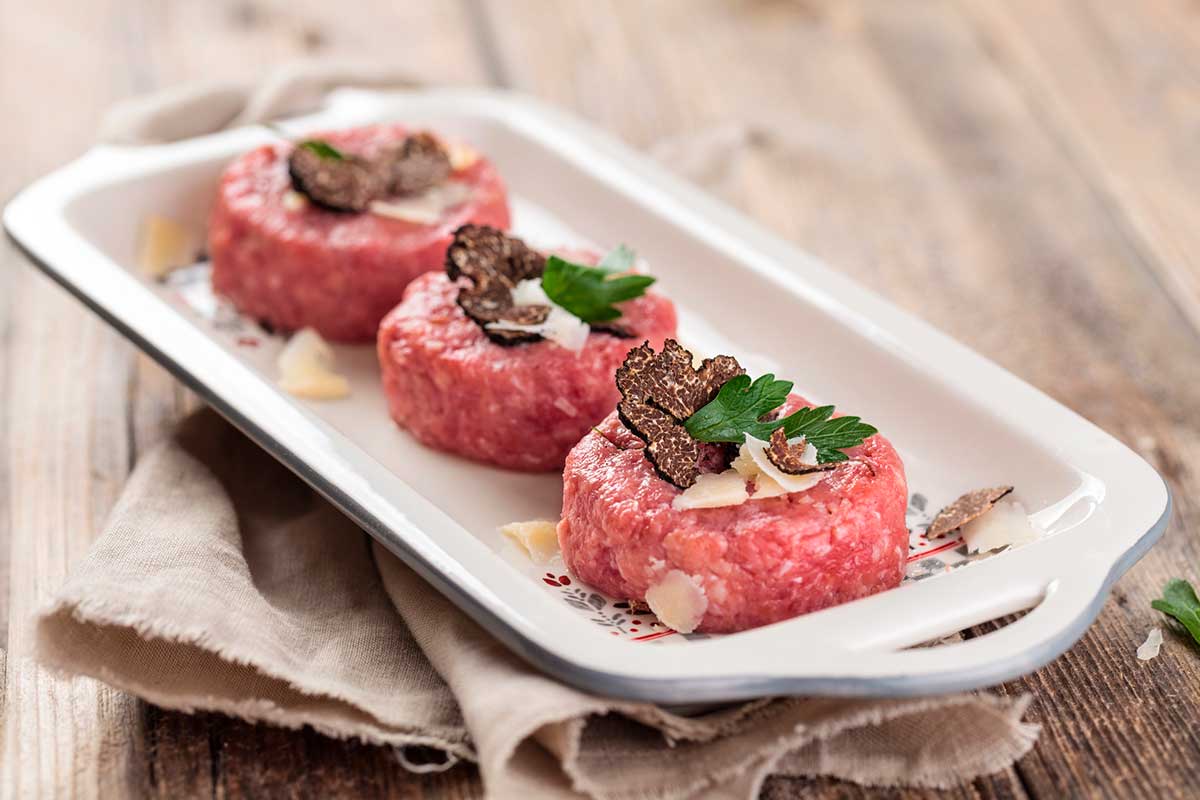
You’ll walk into Zigante for truffles and will leave convinced they belong in every dish forever. White-truffle ice cream, black-truffle steak tartare, and even truffle baklava show up on the seasonal dégustation menu.
October is peak frenzy, when the Livade Truffle Fair spills into the street and the dining room smells like damp forest floor.
Konoba Morgan (Brtonigla)
Konoba Morgan is perched on a vineyard ridge with a sunset view that steals attention from the table—until the plates land. They stand for slow food, wood-oven cooking, and a daily chalkboard that might read “boškarin cheek with red wine polenta” or “wild-asparagus fritaja.”
Expect a short menu that changes quicker than the weather.
Konoba Buščina (Umag Hinterland)
Konoba Buščina is a 30-year-old farmhouse tavern that treats rustic dishes with Michelin-level respect. Try the boškarin carpaccio or the slow-roasted lamb shank, then marvel at how the waiter shaves an indecent amount of truffle over your fuži “just because.”
The menu is seasonal and reservations are essential.
Agritourizam Ograde (Katun Lindarski – Central Istria)
Drive inland to this flower-ringed farm for a zero-kilometer meal at Agriturizam Ograde. You’ll sit under a pergola, sip last year’s Refošk, and demolish platters of home-smoked ombolo, bobići maneštra, and fritule flavored with the house’s own honey.
Food Tours & Tastings In Istria
If you’d like to sip and snack your way around Istria, one of the best ways is to join an organized food tour—especially when wine and rakija are involved. They’ll usually take care of all the logistics and transport for you, so all you need to do is eat, drink, and kick back.
Consider the following:
Join a wine tasting
I’ve dropped a few wine references throughout this guide, but you’ll enjoy them best straight from the barrel on a wine tasting. These are the three varieties you’ll meet first:
- Malvazija. This crisp, citrus-driven white is the region’s flagship.
- Teran. A medium-bodied red with bright acidity and a hint of iron.
- Refošk. This is the same grape as Teran, but with different soil. It’s known for its deep ruby color and rich flavors of dark berries, cherries, and spice.
Note the soils: red terra rossa adds structure, grey flysch keeps wines lean, and white marl preserves acidity. Light cheeses and pršut are usually served alongside the tastings.
Another option is booking a wine tour, like a top-rated Best of Istria Wine Tour or a Sunset Wine Tour by Kayak.
Go on a truffle hunt
Follow a truffle hunter and his dog into Motovun Forest, one of the world’s richest truffle grounds. Watch the dog signal, see the tuber unearthed, then sample fresh shavings on bread, pasta, or eggs.
Do some olive oil sampling
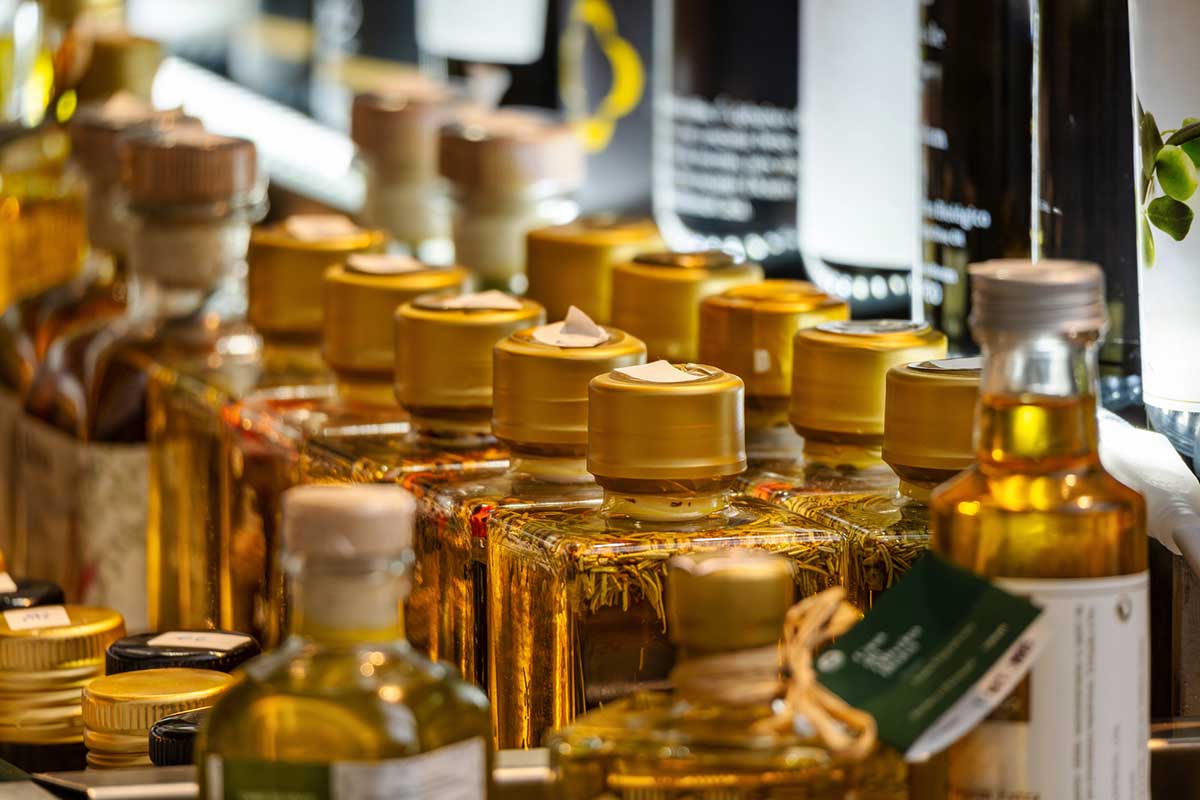
Istria’s extra virgin oils top global rankings for their vivid green color, grassy aroma, and peppery throat-kick. Visit any mill from late October to December and you’ll sip the new press from shot glasses, learning to chase fruitiness before the pepper burn.
As with wine, the flavor shifts with the soil—red terra rossa gives a fuller body, while white marl keeps it light. One taste explains why chefs call it “the liquid gold of the Adriatic.”
Prefer a guided experience?
➡️ Click here for guided olive oil tasting & history lesson in Pula!
Food Markets & Festivals In Istria
Zigante Truffle Days (Livade)
From early October to the first weekend of November, the village of Livade turns into an open-air perfume shop for Truffle Days. White-truffle auctions, dog-search demos, pasta stalls, and even truffle ice-cream kiosks pack the main street every Saturday and Sunday.
Slip into Restaurant Zigante for a tasting menu while hunters walk past with mud-caked hounds and fist-sized truffles—proof that Motovun Forest is still coughing up culinary gold.
Vinistra (Poreč)
Every May, over 90 wineries roll their best Malvasia, Refošk, and experimental pét-nats into Poreč’s Žatika hall for Vinistra Festival. Grab a glass at the door and roam. You’ll find crisp whites up front, inky reds at the back, and craft gins and goat cheese stalls in between.
Go Friday afternoon for the smallest crowds. Saturday night tends to turn into a mosh pit of sommeliers.
Pilchard (Sardine) Festival (Fažana)
In early August, Fažana’s harbor becomes one gigantic grill. Fishermen salt whole sardines, thread them onto skewers, and flip them over blistering charcoal while klapa singers test their vocal cords. This is the oldest fisherman’s fest on the coast.
The party spills into rowing and crate-carrying contests, but you’ll be too busy drenching paper-plate fish in local olive oil to notice who wins. Make sure to bring wet wipes and cash for extra rounds.
Weekend Food Festival (Rovinj)
In April, world-renowned chefs, bartending royalty, and food tech geeks take the main stages serving everything from boškarin tacos to natural wine at the Rovinj Weekend Food Festival.
Daytime features panels and masterclasses, sunset is craft-cocktail hour, and midnight usually ends on the dance floor.
IstraVirgin Days of Young Olive Oil (Vodnjan)
In late November, just-pressed virgin olive oil flows like beer at Oktoberfest. Producers line the old schoolhouse with tasting barrels, eager to show why Istria keeps topping Flos Olei rankings.
Workshops at IstraVirgin teach you to spot rancid oil in two sniffs, while stalls sell this season’s emerald green bottles. It’s the best souvenir you can squeeze into your luggage, but wrap it in dirty laundry and pray.
Frequently Asked Questions About Istrian Food
Now that you know what to eat in Istria and where to eat it, let’s answer some frequently asked questions.
It’s a mash-up. While cooking techniques lean Italian, ingredients and attitude are proudly Croatian. You taste both in every bite.
White truffle season runs from late September to early January, while black truffle season runs from January to March (winter) and May to August (summer).
Opt for crisp Malvasia with seafood, bold Teran with red meat, or an orange-style Malvasia if you want a single bottle to cover everything.
Absolutely! Outfitters around Motovun and Buzet run year-round dog-guided hunts, and most end with a truffle pasta lunch and a tasting.
Don’t visit Istria without trying Fritule: rakija-scented doughnut bites rolled in citrus sugar, sold hot at markets and winter fairs.
Olive oil, Motovun truffle salt or tartufatta, vacuum-packed prosciutto and sheep cheese, and a bottle of Malvasia or Teran.
There is a lot of meat and animal products in Istria, but there are exceptions! If you eat seafood, you’ll be fine. Otherwise, opt for truffles, pasta, risotto, polenta, and asparagus fritaja (if you eat eggs). If you’re vegan, I recommend you seek out specialized restaurants.
Final Thoughts On Istrian Cuisine
Istria isn’t just a place you see. It’s one you taste. From truffle-laced pastas to seaside stews and zero-kilometer feasts, every dish tells a story shaped by the land and the people who work it.
Whether you’re sipping olive oil from a shot glass or sharing soup from a clay jug, eating in Istria invites you to slow down and savor.
Skip the tourist menus, follow your nose (or a local), and don’t be afraid to linger. Because here, good food isn’t just a meal—it’s a way of life.
Have you tried the delicious food & wine of Istria?